
Introduction: The Rise of AI Voice Cloning Technology
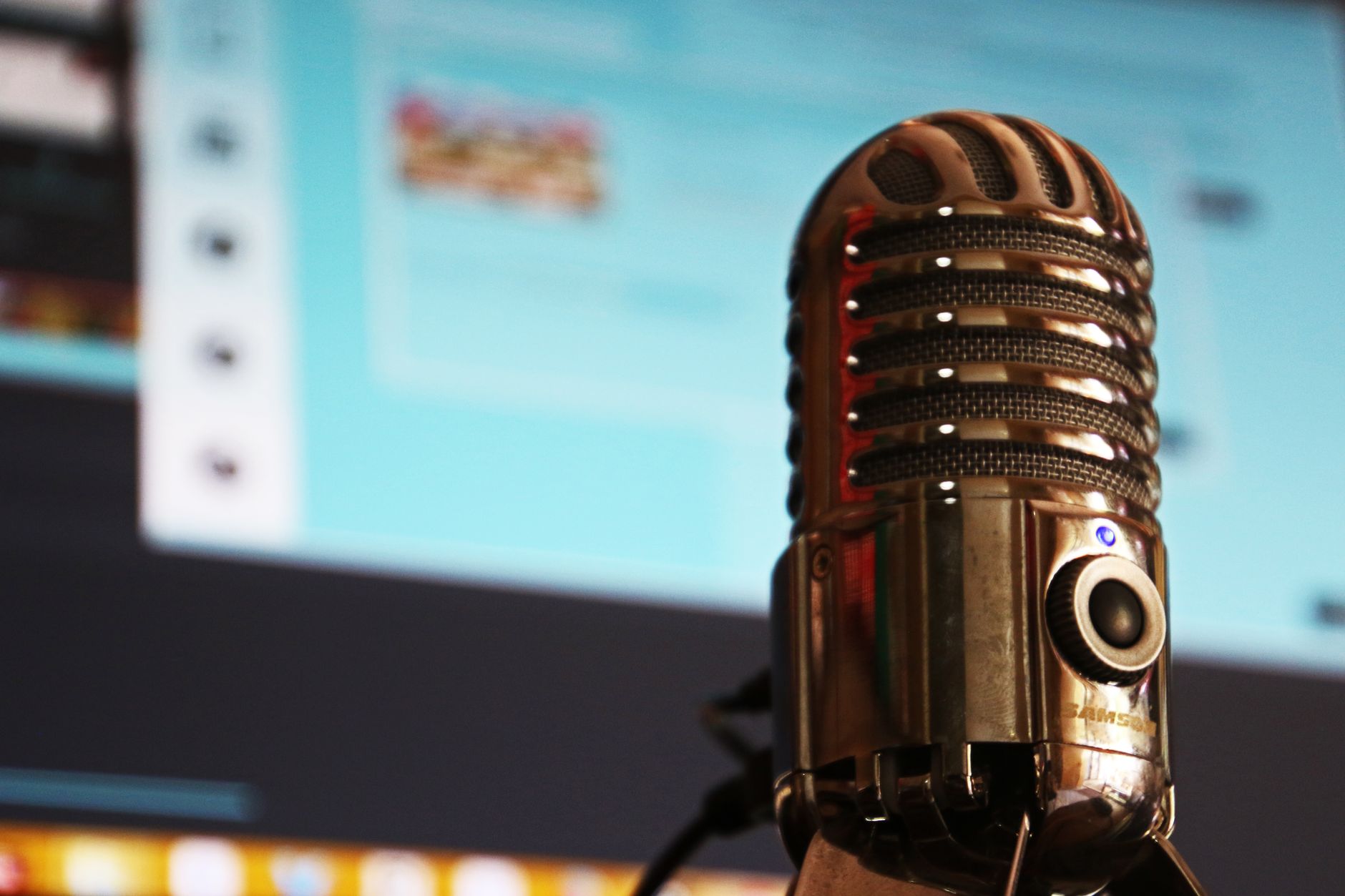
The content creation landscape is experiencing a revolutionary transformation, with AI voice cloning for content creators 2026 emerging as one of the most powerful tools in the digital arsenal. As we approach 2026, voice cloning technology has evolved from a sci-fi concept to a practical solution that’s reshaping how creators produce audio content, podcasts, audiobooks, and multimedia presentations.
Recent market research indicates that the global voice cloning market is projected to reach $2.8 billion by 2026, with content creators representing nearly 35% of this growing user base. This surge is driven by the technology’s ability to maintain consistent voice quality across multiple projects, reduce production costs, and enable creators to scale their content output exponentially.
Understanding AI Voice Cloning Technology in 2026
AI voice cloning has reached unprecedented sophistication levels, utilizing advanced neural networks and deep learning algorithms to create synthetic voices that are virtually indistinguishable from human speech. The technology works by analyzing voice patterns, intonation, and speech characteristics to generate a digital replica capable of speaking any text with remarkable accuracy.
Key Features of Modern Voice Cloning Platforms
- Real-time voice synthesis with minimal latency
- Emotional inflection control for dynamic content delivery
- Multi-language support with accent preservation
- Voice aging and modification capabilities
- Integration APIs for seamless workflow automation
Leading platforms like ElevenLabs, Murf AI, and Speechify have reported accuracy rates exceeding 95% in voice replication, making AI voice cloning for content creators 2026 more accessible and reliable than ever before.
Legal Framework and Compliance Requirements
The legal landscape surrounding AI voice cloning has evolved significantly, with new regulations emerging to protect both creators and subjects whose voices are being cloned. Understanding these legal requirements is crucial for content creators looking to implement this technology responsibly.
Copyright and Intellectual Property Considerations
Voice cloning intersects with several areas of intellectual property law, including:
- Right of Publicity: Protects individuals from unauthorized use of their voice for commercial purposes
- Copyright Protection: Covers original audio recordings and performances
- Trademark Issues: Applies when voices are associated with specific brands or personas
- Moral Rights: Protects the integrity and attribution of creative works
The Digital Voice Rights Act of 2025 has established clear guidelines requiring explicit consent for voice cloning, with violations carrying penalties up to $50,000 per unauthorized use.
Consent and Documentation Requirements
To legally use AI voice cloning technology, content creators must obtain proper documentation, including:
- Written consent agreements specifying usage scope and duration
- Clear attribution requirements and credit specifications
- Revenue-sharing arrangements when applicable
- Data retention and deletion policies
- Third-party usage restrictions and sublicensing terms
Monetization Strategies and Revenue Models
The commercial potential of AI voice cloning for content creators 2026 extends far beyond simple content production, offering multiple revenue streams that savvy creators are already leveraging to build sustainable businesses.
Direct Monetization Approaches
- Voice-as-a-Service (VaaS): Licensing your cloned voice to other creators or brands
- Automated Content Production: Creating scalable audiobook and podcast series
- Multilingual Content Expansion: Offering the same content in multiple languages
- Personalized Message Services: Creating custom audio messages for fans and clients
- Educational Course Narration: Producing consistent voice-over for online courses
Industry data shows that creators utilizing voice cloning technology report an average 40% increase in content production capacity and a 25% reduction in production costs, directly impacting their bottom line.
Subscription and Licensing Models
Successful content creators are implementing various pricing strategies:
- Tiered Subscription Plans: $29-$299 monthly based on usage volume
- Per-Minute Licensing: $0.50-$2.00 per minute of generated content
- Exclusive Brand Partnerships: $5,000-$50,000 for dedicated voice licensing
- Revenue Sharing: 15-30% of gross revenue from voice-enabled content
Best Practices for Content Creators
Implementing AI voice cloning technology requires strategic planning and adherence to industry best practices to maximize results while minimizing risks.
Quality Control and Brand Consistency
Maintaining high standards in voice-cloned content involves:
- Regular quality audits and listener feedback collection
- Consistent voice training data updates and refinements
- Cross-platform voice consistency testing
- Performance metrics tracking including engagement and retention rates
- A/B testing different voice variations for optimal audience response
Ethical Content Creation Guidelines
Responsible use of voice cloning technology includes:
- Transparency: Clearly disclosing when AI-generated voices are used
- Authenticity: Maintaining genuine connections with your audience
- Respect: Honoring the original voice owner’s intentions and limitations
- Quality Standards: Ensuring cloned content meets or exceeds original quality
Platform-Specific Implementation Strategies
Different content platforms require tailored approaches when implementing AI voice cloning for content creators 2026, each with unique technical requirements and audience expectations.
Podcast Production and Distribution
For podcast creators, voice cloning offers unprecedented scalability opportunities:
- Consistent episode production during travel or illness
- Multi-host show creation with single-person management
- Historical content recreation and archival projects
- International market expansion with localized versions
Popular podcasting platforms like Spotify and Apple Podcasts have updated their creator guidelines to accommodate AI-generated content, requiring proper disclosure but generally supporting innovative uses of the technology.
Video Content and YouTube Integration
Video creators are leveraging voice cloning for:
- Voiceover consistency across long-form series
- Rapid content localization for global audiences
- Backup narration options for time-sensitive uploads
- Character voice creation for animated or fictional content
Future Trends and Market Predictions for 2026
The evolution of AI voice cloning technology shows no signs of slowing, with several exciting developments expected to reshape the content creation landscape by 2026.
Emerging Technologies and Capabilities
- Real-time Emotional Adaptation: AI systems that adjust emotional tone based on content context
- Cross-Platform Voice Synchronization: Unified voice experiences across all digital touchpoints
- Advanced Accent and Dialect Modeling: Hyper-localized content creation capabilities
- Interactive Voice Personalities: AI voices that can engage in dynamic conversations
Market analysts predict that by 2026, AI voice cloning for content creators 2026 will be integrated into 70% of major content creation workflows, with automation handling routine voice tasks while creators focus on strategy and creativity.
Industry Growth Projections
The content creator economy utilizing AI voice technology is expected to reach:
- $12.4 billion in total market value
- 2.3 million active creator accounts using voice cloning
- 45% of all audio content featuring some AI voice elements
- Average creator revenue increase of 60% compared to traditional methods
Conclusion: Embracing the AI Voice Revolution
As we move toward 2026, AI voice cloning for content creators 2026 represents more than just a technological advancement—it’s a fundamental shift in how content is conceptualized, produced, and monetized. The creators who understand both the opportunities and responsibilities that come with this technology will be best positioned to thrive in the evolving digital landscape.
Success with AI voice cloning requires a balanced approach that combines technical proficiency with legal compliance, creative innovation with ethical responsibility, and strategic monetization with authentic audience engagement. By following the frameworks and best practices outlined in this guide, content creators can harness the full potential of voice cloning technology while building sustainable, profitable, and legally compliant businesses.
The future of content creation is here, and it sounds exactly like you—whenever you need it to. The question isn’t whether AI voice cloning will transform content creation, but how quickly creators will adapt to leverage its incredible potential while maintaining the human connection that makes content truly resonate with audiences.
Want more insights like this?
📚 Related Articles
- AI Voice Cloning Tools for Content Creators: 7 Platforms 2026
- AI Thumbnail Generator Tools: 7 Best Options for YouTube 2026
- Creating Viral Social Media Content with AI: Templates and Strategies for 2026
- The Ultimate Guide to AI-Powered Social Media Templates in 2026
Get the free AI Automation Starter Kit
Ready-to-use workflows and prompts I actually run in a live, 24/7 AI-automated business — no fluff, instant access.
🚀 Level Up Your AI Game
Get weekly AI tools, prompts & automation strategies — free, every week.
No spam. Unsubscribe anytime.