
Traditional product photography can drain your budget faster than you think. Professional shoots often cost $500-$1,500 per session, not including editing and retouching. But AI product photography tools 2026 are revolutionizing how businesses create stunning product images at a fraction of the cost.
Build smarter, not harder. Explore our digital products — AI prompts, planners, automation playbooks — designed for entrepreneurs who want results.
Whether you’re an e-commerce entrepreneur, marketing professional, or creative agency, understanding how to leverage AI for product photography can transform your visual content strategy while dramatically reducing expenses.
The Current State of Product Photography Costs
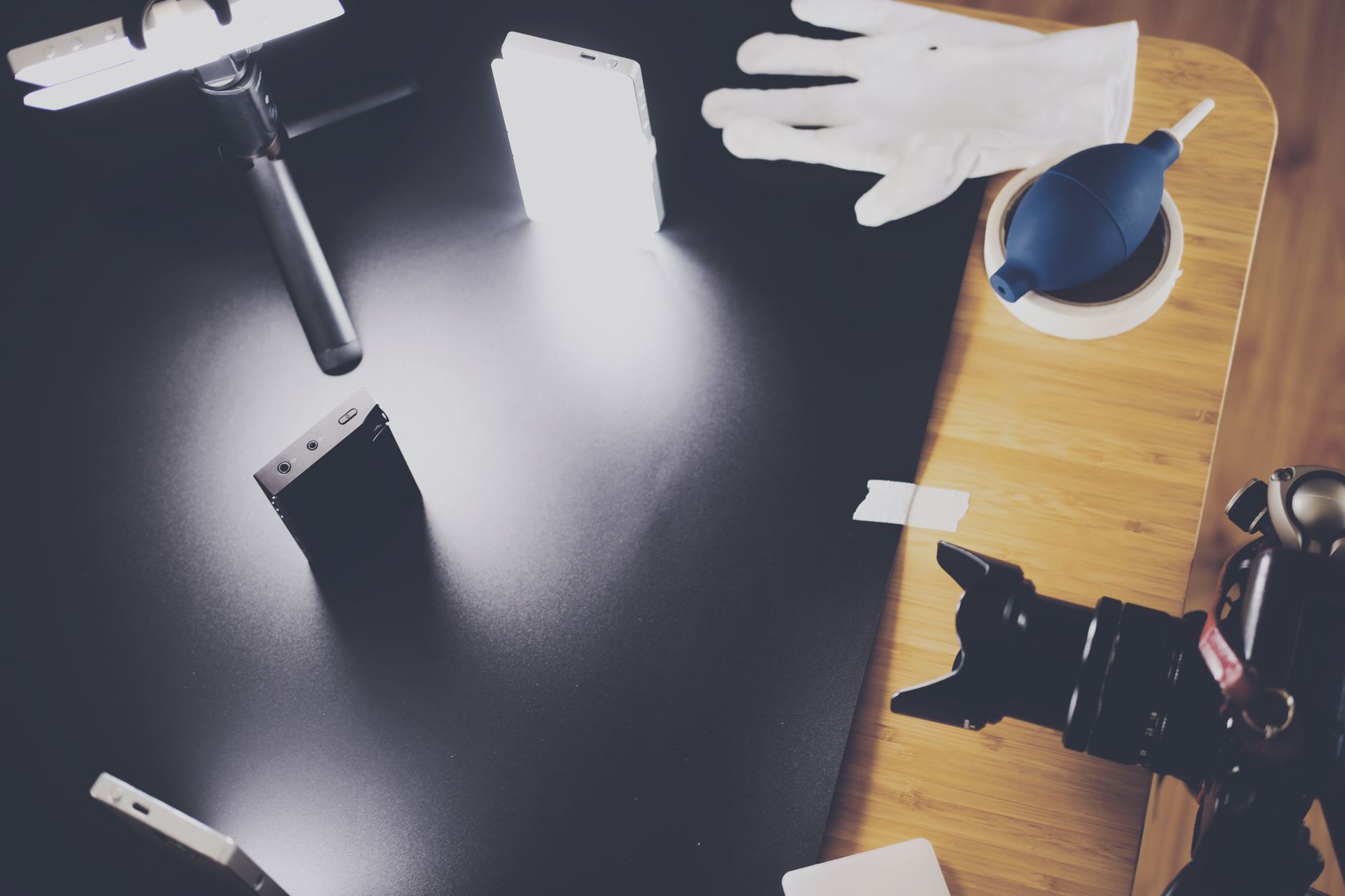
Let’s break down the typical expenses of traditional product photography:
- Professional photographer: $150-$400 per hour
- Studio rental: $100-$300 per day
- Equipment and lighting: $50-$150 per shoot
- Props and backgrounds: $25-$100 per setup
- Post-production editing: $50-$200 per batch
For a standard product line of 20 items, you’re looking at minimum costs of $1,000-$2,500 per shoot. Multiply this by quarterly updates or seasonal campaigns, and the expenses quickly become overwhelming for small to medium businesses.
What Are AI Product Photography Tools?
AI product photography tools use artificial intelligence to generate, enhance, and manipulate product images without traditional photography setups. These platforms combine machine learning algorithms with computer vision to create professional-quality images from simple inputs.
The technology works by:
- Analyzing product shapes and textures
- Generating realistic backgrounds and environments
- Adjusting lighting and shadows automatically
- Removing backgrounds and creating variations
- Enhancing image quality and resolution
As we approach 2026, these tools are becoming increasingly sophisticated, offering capabilities that rival traditional photography studios at a fraction of the cost.
Top AI Product Photography Tools for 2026
1. PhotoRoom AI Studio
PhotoRoom’s AI technology excels at background removal and scene generation. Their 2026 updates include advanced lighting simulation and material texture recognition. Cost savings: Up to 85% compared to traditional shoots.
2. Claid AI Photography
Specializing in e-commerce imagery, Claid offers batch processing capabilities and brand-consistent styling. Their AI can generate multiple product angles from a single photo.
3. Pixelcut Pro
This platform focuses on creating lifestyle and contextual product images. Their AI understands product categories and suggests appropriate environments automatically.
4. Removal.ai Product Suite
Beyond background removal, this tool creates shadow effects, reflections, and professional product arrangements using AI algorithms.
Step-by-Step Guide: Implementing AI Product Photography
Step 1: Product Preparation
Even with AI product photography tools 2026, starting with quality source images is crucial:
- Use natural lighting or a simple ring light setup
- Ensure products are clean and properly positioned
- Take multiple angles with your smartphone or basic camera
- Maintain consistent white balance across shots
Step 2: AI Tool Selection
Choose tools based on your specific needs:
- E-commerce listings: Focus on clean, white-background tools
- Social media marketing: Prioritize lifestyle and contextual generators
- Catalog production: Select batch-processing capabilities
- Brand campaigns: Choose tools with style consistency features
Step 3: Batch Processing Workflow
Maximize efficiency by processing multiple products simultaneously:
- Upload 10-20 product images to your chosen AI platform
- Select consistent background themes or styles
- Apply batch processing with similar lighting preferences
- Review and fine-tune results using AI adjustment tools
- Export in multiple formats and resolutions
Real-World Cost Comparison: AI vs Traditional Photography
Let’s examine a practical example comparing costs for a fashion brand shooting 30 products:
Traditional Photography Costs:
- Photographer (8 hours): $2,400
- Studio rental: $300
- Equipment and lighting: $150
- Model fees: $800
- Props and styling: $200
- Post-production: $600
- Total: $4,450
AI Photography Costs:
- Initial product photos (DIY): $0
- AI platform subscription: $99/month
- Additional processing credits: $150
- Basic editing software: $20/month
- Total: $269
Savings: $4,181 (94% cost reduction)
Advanced Techniques for Maximum Results
1. AI-Generated Lifestyle Scenes
Modern AI product photography tools 2026 can place your products in realistic environments:
- Kitchen appliances in modern home settings
- Fashion items on virtual models or mannequins
- Electronics in office or lifestyle contexts
- Beauty products in spa-like environments
2. Seasonal and Contextual Variations
Create multiple versions of the same product for different campaigns:
- Holiday-themed backgrounds
- Seasonal color adjustments
- Cultural or regional adaptations
- Trend-based styling updates
3. A/B Testing with AI Variations
Generate multiple versions to test performance:
- Different background colors and styles
- Various lighting conditions
- Alternative product positioning
- Diverse contextual environments
2026 Trends in AI Product Photography
1. Hyper-Realistic 3D Product Rendering
AI tools are integrating 3D modeling capabilities, allowing brands to create product images before physical prototypes exist. This technology will reduce time-to-market by up to 60%.
2. Dynamic Video Generation
The latest AI product photography tools 2026 are expanding beyond static images to create product videos, 360-degree views, and animated demonstrations automatically.
3. Personalized Product Imagery
AI will customize product presentations based on individual customer preferences, demographics, and browsing history, creating unique visual experiences for each visitor.
4. Brand Voice Integration
Advanced AI systems will understand brand guidelines and automatically apply consistent styling, colors, and aesthetic choices across all generated imagery.
Common Mistakes to Avoid
When implementing AI product photography tools 2026, avoid these pitfalls:
- Over-reliance on AI: Some products still benefit from human creativity and staging
- Ignoring brand consistency: Ensure AI-generated images align with your brand identity
- Poor source material: AI enhances but cannot fix fundamentally poor product photos
- Neglecting legal considerations: Verify licensing for AI-generated backgrounds and elements
- Skipping quality control: Always review AI outputs for accuracy and professionalism
Measuring ROI and Success Metrics
Track these key performance indicators to measure your AI photography investment:
- Cost per image: Compare AI-generated vs traditional photography costs
- Production speed: Measure time from concept to final image
- Conversion rates: Monitor how AI images perform in sales contexts
- Engagement metrics: Track social media and website engagement with AI imagery
- Brand consistency scores: Evaluate aesthetic alignment across all channels
Most businesses report seeing ROI within 2-3 months of implementing AI photography workflows, with cost savings ranging from 70-90% compared to traditional methods.
Conclusion: The Future of Product Photography is AI-Powered
The evolution of AI product photography tools 2026 represents more than just cost savings—it’s a fundamental shift toward more efficient, scalable, and creative visual content production. By implementing these tools strategically, businesses can redirect their photography budgets toward other growth initiatives while maintaining professional-quality imagery.
The $500+ savings per shoot is just the beginning. As AI technology continues advancing, we’ll see even more sophisticated capabilities, better integration with e-commerce platforms, and enhanced creative possibilities that were previously impossible with traditional photography.
Start small, experiment with different AI product photography tools 2026, and gradually scale your implementation. The businesses that adopt these technologies early will have a significant competitive advantage in visual marketing and customer engagement.
Remember: AI doesn’t replace creativity—it amplifies it. Use these tools to enhance your vision, streamline your workflow, and create stunning product imagery that drives results without breaking your budget.
📚 Related Articles
- How to Create Online Course AI Tools: Complete Guide 2026
- 51 AI Workflows That Save Small Businesses 20+ Hours Per Week
- Creating Viral Social Media Content with AI: Templates and Strategies for 2026
- Midjourney vs DALL-E vs Stable Diffusion: Which AI Art Tool Is Best in 2026
Get the free AI Automation Starter Kit
Ready-to-use workflows and prompts I actually run in a live, 24/7 AI-automated business — no fluff, instant access.
Дальше по теме
🚀 Level Up Your AI Game
Get weekly AI tools, prompts & automation strategies — free, every week.
No spam. Unsubscribe anytime.